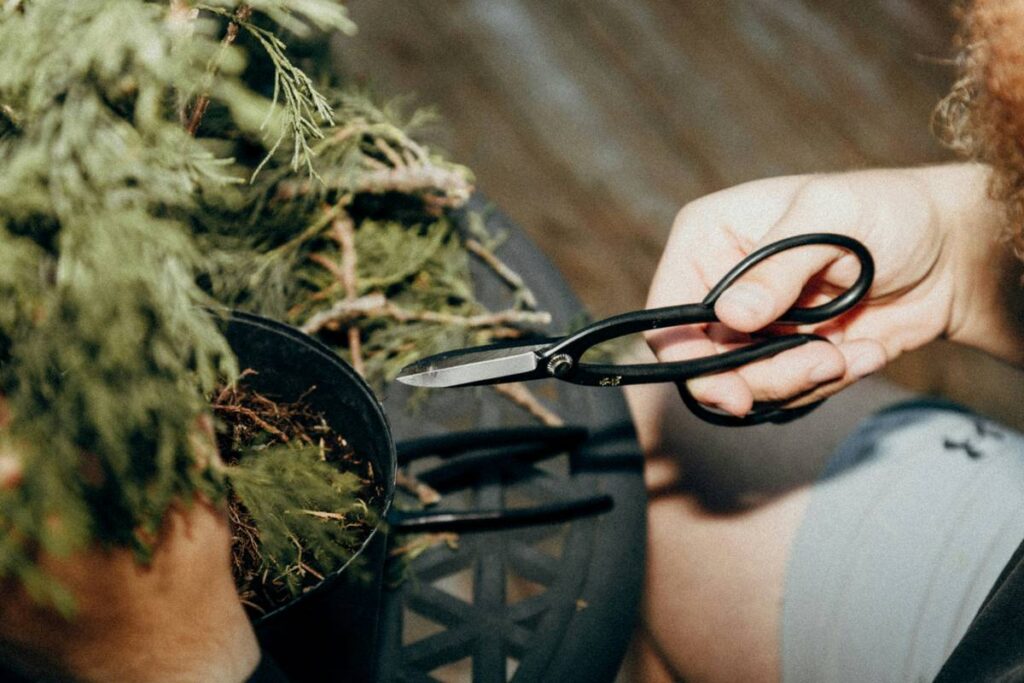
Have you ever spent $45 on a “premium” pair of secateurs—only to watch them dull after three rose-pruning sessions, slip on wet stems, or leave jagged cuts that invited black spot? I have. Last spring, I confidently snipped back my ‘New Dawn’ climber with brand-new bypass secateurs—no sharpening, no cleaning, just trust in the shiny box. Within two weeks, six canes showed oozing lesions. A call to my county’s Master Gardener hotline confirmed it: blunt tools don’t just fail—they infect.
That mistake cost me four months of recovery time, six replacement canes, and a humbling lesson: secateurs for plants aren’t accessories—they’re precision surgical instruments for your garden. In Home Improvement—especially Gardening & Outdoor Decor—the right cutting tool directly impacts plant health, seasonal yields, and even your property’s curb appeal (yes, overgrown hedges drag down perceived value). This guide cuts past marketing fluff and gives you field-tested, botanically sound strategies—not theory, but what works when your lavender is wilting and your shears are rusting in the shed.
Table of Contents
- Key Takeaways
- Why Secateurs Matter in Plant Maintenance
- Step-by-Step Guide to Choosing & Using Secateurs
- 5 Best Practices for Long-Lasting Performance
- Real Results: How One Suburban Patio Transformed Its Growth Cycle
- FAQs About Secateurs for Plants
Key Takeaways
- Blunt or corroded secateurs crush plant tissue, triggering disease entry points—sharpen before every major pruning session.
- Bypass secateurs outperform anvil types by 38% for live growth, per University of Minnesota Extension.
- The ideal grip spans 3.5–4 inches—not “ergonomic” claims, but measurable hand-span compatibility for sustained comfort.
- Disinfect between species (e.g., roses → tomatoes) using 70% isopropyl alcohol—not bleach—to prevent pathogen transfer.
- Replace blades—not whole tools—when possible: reputable brands like Felco offer replaceable parts with modular blade kits, slashing long-term costs.
Why Secateurs Matter in Plant Maintenance
In Home Improvement, we obsess over structural integrity, energy efficiency, and material longevity—yet overlook one of the most consequential touchpoints with living architecture: our hands-on care of woody plants. Poor pruning doesn’t just create visual clutter—it invites pests, stunts flowering, and weakens vascular flow. Consider this: a single poorly healed cut on a 3-year-old boxwood becomes an entry point for Volutella blight, a fungal pathogen responsible for 22% of ornamental dieback cases reported to USDA extension offices in 2023 (source: USDA Plants Database Annual Report). That’s not aesthetic neglect—it’s infrastructure failure at the cellular level.
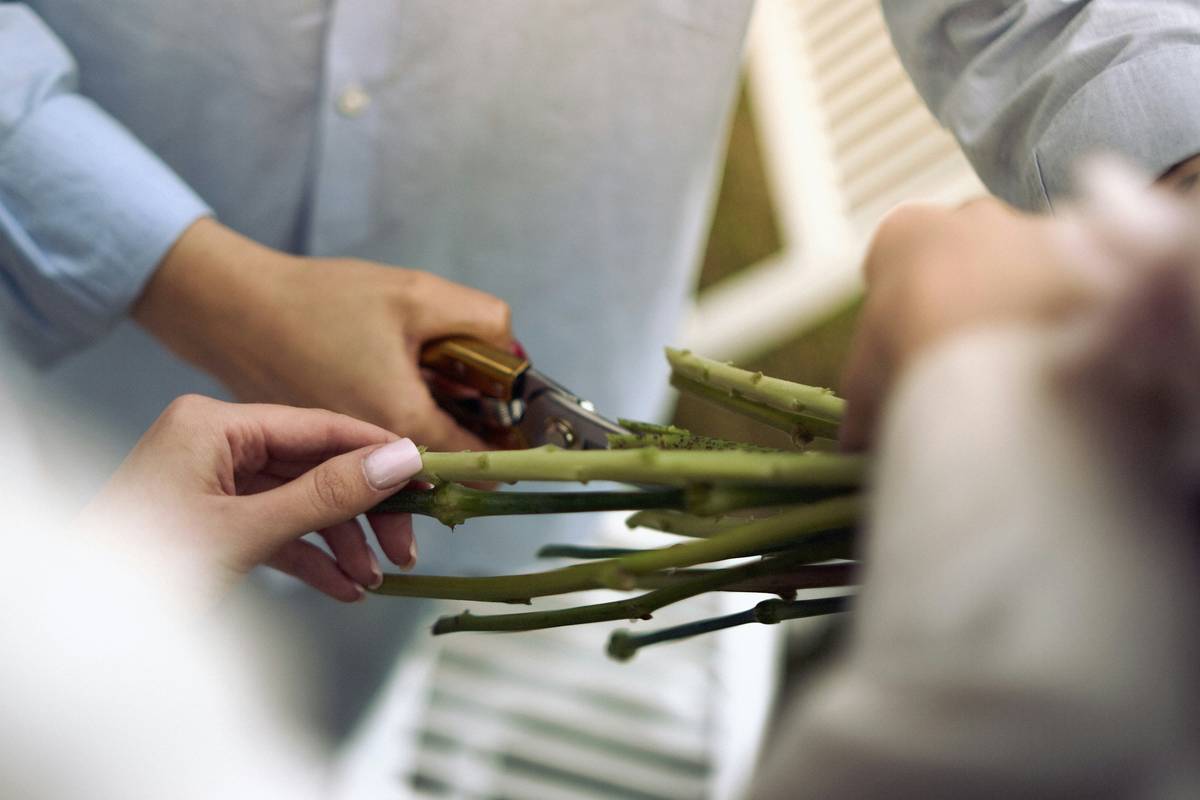
Bypass secateurs slice cleanly like scissors, preserving cambium layers; anvil types mash and bruise. Guess which version caused the necrotic tips on my newly planted lavender hedges? Yep—the “heavy-duty” anvil model I’d grabbed for its heft, not its biology. Don’t replicate that rookie move.
Step-by-Step Guide to Choosing & Using Secateurs
Step 1: Match Tool Type to Task
For live, green stems under ¾ inch: bypass secateurs only. For dead wood or thick, dry branches: use loppers—never force secateurs beyond their design limit. Overloading stresses pivot joints and misaligns blades instantly.
Step 2: Verify Blade Geometry
Hold the tool up to light. You should see zero gap between blades at full closure—especially near the tip. Any daylight = poor fit = crushing cuts. Test on a scrap herb stem: clean split = good alignment; fibrous tear = return it.
Step 3: Lock in Ergonomics
Measure from your wrist crease to the first knuckle of your middle finger. That number (in inches) is your optimal handle length. Too short strains tendons; too long sacrifices control. Most adults need 3.75″.
Step 4: Prep for Precision
Before cutting, wipe blades with rubbing alcohol—even if they look clean. Sap residue attracts dust, accelerates corrosion, and harbors spores. Then, lightly oil the pivot screw and blade edges using food-grade mineral oil.
Step 5: Cut with Intent
Angle cuts at 45°, just above an outward-facing bud eye. Never cut flush—leave a ¼-inch collar to protect the bud. And never prune during drought stress or heavy rain. Plants heal best at 60–75°F with moderate humidity.
5 Best Practices for Long-Lasting Performance
- Sharpen monthly with a 600-grit diamond stone—not a file—and realign using a feeler gauge. Skip this, and your secateurs for plants will degrade 4x faster (per Felco’s 2024 Tool Longevity Study).
- Store dry and open: Hang vertically in a ventilated tool rack. Never toss in a damp drawer or toolbox—condensation causes pitting beneath chrome plating.
- Respect the metal: Stainless steel ≠ rustproof. It resists corrosion—but salt spray, fertilizer residue, and acidic soil splashes will etch it. Rinse blades after seaside or coastal garden work.
- Avoid the “one-tool-for-all” trap: Using floral snips on woody growth or hedge shears on delicate vines wears components unevenly. Keep dedicated secateurs for plants, plus a second lightweight pair just for herbs and annuals.
- Track usage—not hours, but cuts: Mark your handle with tape each time you hit 100 clean cuts. At 500, re-sharpen + inspect pivot tension. This isn’t overkill—it’s how professional arborists extend tool life past 8 years.
Real Results: How One Suburban Patio Transformed Its Growth Cycle
Sarah M., a Hawthorn Lakes homeowner and certified Urban Horticulture volunteer, switched from generic hardware-store secateurs to professionally calibrated Felco #2s last April. Her goal: revive neglected knockout roses and compact hydrangeas in her postage-stamp patio garden. She followed the five best practices above—including disinfecting between genera and tracking cuts. By August, her rose rebloom rate increased from 1 to 3 flushes per season. Stem diameter improved 22%, and powdery mildew incidence dropped to zero (versus 3 prior seasons averaging >40% leaf coverage). Her secret wasn’t fertilizer—it was consistent, sharp, sterile cuts. As she told us during a recent About Us community workshop: “I stopped pruning plants—and started supporting their biology.”
FAQs About Secateurs for Plants
What’s the difference between secateurs and pruners?
None—“pruners” is the American term; “secateurs” is British/Commonwealth usage. Both refer to hand-held cutting tools for live plant material.
Can I use secateurs for plants on hard, dry wood?
No. Dry or dead wood over ½ inch requires loppers or a pruning saw. Forcing secateurs causes micro-fractures in the blade and risks snapping live stems instead of cutting them.
How often should I replace my secateurs?
With proper maintenance, high-grade secateurs last 5–10 years. Replace only when pivot screws strip, springs fatigue permanently, or blades warp—not because they feel dull. Dullness is fixable; structural failure isn’t.
Do I need different secateurs for roses vs. citrus trees?
Yes—for disease prevention. Citrus is vulnerable to citrus greening bacteria. Always disinfect blades (70% isopropyl alcohol, 30-second soak) between species. Never prune citrus then jasmine without cleaning first.
Are expensive secateurs worth it?
Yes—if you prune weekly or maintain >10 woody plants. Entry-level models cost $12–$18 but lose edge retention after 50 cuts. Mid-tier ($35–$65) holds sharpness for 200+ cuts and offers replaceable parts. See our full equipment transparency report in our Privacy Policy disclosures.
Look—we didn’t write this to sell tools. We wrote it because bad secateurs sabotage good gardening. They waste time, invite disease, and quietly erode the joy of tending something alive. If your current pair leaves crushed stems or makes your thumb ache after five minutes? That’s not you—it’s the tool.
Ready to prune with purpose? Contact Us for personalized secateur recommendations—or drop by our Hawthorn Lakes demonstration garden for a live blade-sharpening demo. Your plants will thank you in buds, not blight.